The quest for sustainable and economically viable energy sources has led to a resurgence of interest in pyrolysis oil. This derivative of the pyrolysis process, derived from a variety of feedstocks including plastics, tires, and oil sludge, holds promise as a commercial energy source. In this exploration, we unravel the economic intricacies surrounding pyrolysis oil, delving into the diverse applications facilitated by pyrolysis plant.
Unveiling the Pyrolysis Process
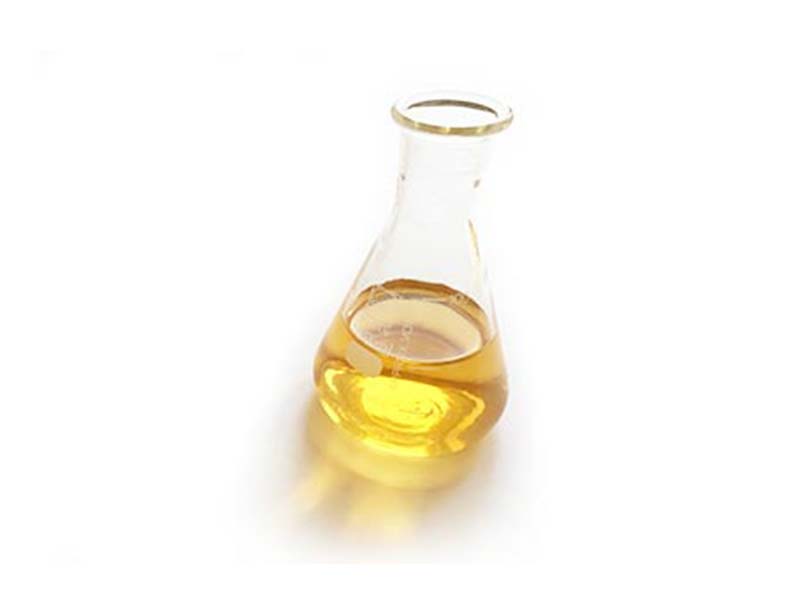
Before delving into the economic landscape, understanding the fundamentals of the pyrolysis process is pivotal. Pyrolysis involves the thermal decomposition of organic materials in the absence of oxygen, leading to the formation of liquid, gas, and solid byproducts. In the context of energy production, the liquid byproduct is what we refer to as pyrolysis oil.
Pyrolysis Plant: Catalyzing Energy Transformation
Pyrolysis plant serves as the crucible where this transformative process unfolds. Whether it’s a waste plastic pyrolysis plant, a waste tyre pyrolysis plant, or one designed specifically for handling oil sludge, these facilities are the linchpin in harnessing the economic potential of pyrolysis oil.
Economic Dynamics of Pyrolysis Oil
Fueling Energy Demand
The economic viability of pyrolysis oil hinges on its versatility as a fuel. With the escalating demand for alternative energy sources, pyrolysis oil steps into the spotlight. Its composition, enriched with hydrocarbons, makes it an attractive option for combustion in industrial settings. The potential to substitute or blend with traditional fuels positions pyrolysis oil as a compelling player in the energy market.
Industrial Applications: A Multifaceted Approach
Pyrolysis oil transcends the realm of mere fuel, finding applications in diverse industrial processes. Its utility extends to heating, electricity generation, and even as a raw material in chemical synthesis. The economic dividends of this versatility become apparent as industries seek cost-effective and sustainable alternatives to traditional energy sources.
Commercial Viability of Pyrolysis Plant
Waste Plastic Pyrolysis Plant: Tackling Plastic Woes
The ubiquity of plastic waste has spurred interest in waste plastic pyrolysis plant. These facilities not only contribute to waste management but also generate pyrolysis oil from discarded plastics. The economic attractiveness lies in the dual benefit of waste reduction and energy production. As environmental regulations tighten, the economic feasibility of such plants becomes more pronounced.
Waste Tyre Pyrolysis Plant: Transforming Tires into Energy
Similarly, waste tyre pyrolysis plant offer a solution to the mounting issue of tire disposal. By converting used tires into valuable pyrolysis oil, these plants create an economic avenue from a traditionally challenging waste stream. The economic viability is further accentuated by the potential to recover other valuable byproducts, such as carbon black.
Oil Sludge Pyrolysis Plant for Sale: Extracting Value from Sludge
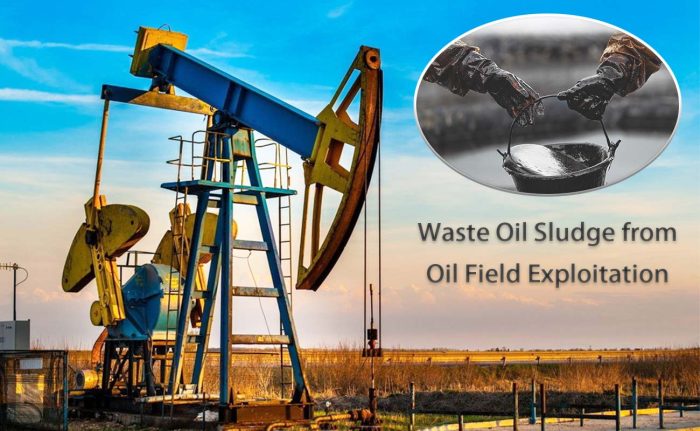
The disposal of oil sludge presents environmental and economic challenges. Oil sludge treatment plant for sale emerge as a pragmatic solution, turning an environmental liability into an economic asset. By extracting pyrolysis oil from oil sludge, these plants not only contribute to waste reduction but also provide an economically viable method for managing oil-contaminated waste.
Waste Rubber Pyrolysis Plant: A Niche in Rubber Recycling
In the realm of rubber recycling, waste rubber pyrolysis plant carve a niche by converting discarded rubber products into valuable pyrolysis oil. The economic viability of such plants is underscored by their role in mitigating the environmental impact of rubber waste while generating a valuable energy resource.
Challenges and Future Prospects
While the economic potential of pyrolysis oil is evident, challenges persist in scaling up and optimizing pyrolysis plant. The capital-intensive nature of these facilities, coupled with the need for advanced technologies, poses economic hurdles. However, ongoing research and technological advancements offer a glimpse into a future where pyrolysis oil becomes an integral component of the global energy matrix.
Technological Innovations: Paving the Way Forward
The landscape of pyrolysis plant is evolving with technological innovations aimed at improving efficiency and reducing operational costs. Advancements in catalyst development, process optimization, and integration of modular systems enhance the economic viability of pyrolysis oil production.